
round lighted mirror
The Runout Reality: What Shops Are Really Buying (and Why It Matters) If you’ve ever chased a mysterious vibration or a whisper of noise in a gearbox, you’ve met the culprit: radial runout. The tool most machine shops are leaning on now is the runout tester . To be honest, it’s not glamorous—two centers, a base, a probe—but it’s the quiet difference between a smooth spindle and a warranty claim. Quick background and where it’s built The instrument I’m looking at today is a pendulum-style runout tester from STR Machinery (Origin: No.17, Building 11, Hardware Building Material City, Botou, Cangzhou City, Hebei Province, China). It locates the shaft between two thimbles (centers), rotates the part, and the probe reads total indicator runout (TIR) directly in the radial direction. Simple, repeatable, shop-floor friendly. Why the spike in demand? Two words: electrification and noise. EV suppliers, servo motor makers, and precision pump builders are tightening GD&T callouts. Many customers say they used to accept 15–20 μm TIR on small shafts; now it’s single digits. Surprisingly, the cost of missing those specs isn’t just scrap—it’s downstream balancing, bearing heat, and customer returns. Product snapshot and specs Parameter Spec (typ.) Notes Center distance ≈ 50–500 mm (custom up to 1,000 mm) Real-world use may vary by fixture Indicator/probe 0.5–1 μm resolution (dial/LVDT) Digital readout optional Base and centers Cast iron or granite; HRC 58–62 centers Carbide tips optional Repeatability ≤ 1 μm (on gauge masters) Uncertainty U ≈ 2 μm (k=2) Max part weight ≈ 20 kg (higher on request) Balanced rotation recommended Service life 8–10 years typical With annual calibration Where it’s used (and what people measure) Automotive: camshafts, input/output shafts, e-axle rotors Industrial motors: spindles, armatures, pump shafts Medical and tooling: surgical reamers, precision mandrels Typical standards referenced on drawings: ISO 1101 run-out, ASME Y14.5 circular runout and total runout. Some customers also tie results to balancing per ISO 21940 for rotors. Process flow (how shops actually run it) Materials: granite/cast-iron base, hardened steel or carbide centers, LVDT or dial indicator. Methods: verify probe zero on a ring or artifact, mount shaft between centers, rotate by hand (constant speed helps), record TIR at multiple stations (bearing journals, seal lands). Testing standards: ISO 1101/ASME Y14.5 callouts; calibration to ISO 9001 procedures; traceability via a gauge block or roundness master. I guess the unsung hero here is consistency—same pressure, same speed, same operator notes. Customization options STR offers longer beds, custom centers for tiny diameters, dual-probe heads for axial and radial checks, SPC data output (USB/RS-232), and protective enclosures for shop-floor grit. Many customers say the data logging alone paid for itself in PPAPs. Vendor comparison (field notes) Vendor Gauge resolution Customization Lead time Certs After-sales STR Machinery 0.5–1 μm High (beds, probes, data) 3–6 weeks ISO 9001, CE Remote + spares Global Brand X 0.2–0.5 μm Medium 8–12 weeks ISO 17025 support Global onsite DIY V-block + dial 1–10 μm Low Immediate None Self-maintained Real-world results Case 1 (Tier-1 EV supplier): switching to a runout tester with dual-probe data logging cut camshaft scrap from 3.1% to 0.6% in 90 days; worst-station TIR dropped from 11 μm to 6 μm after process tuning. Case 2 (EU bearing plant): introducing standardized runout tester routines reduced balancing weights on small rotors by ≈18%, correlating TIR stations with mass eccentricity per ISO 21940. Compliance and paperwork Typical package includes ISO 9001 calibration record, CE declaration, and probe certificate. Test method references: ISO 1101 run-out symbols and ASME Y14.5 definitions. In practice, I’d still validate uncertainty against your own masters. Final thought Measuring runout isn’t exciting, but the payback shows up in quieter machines and calmer QA reviews. Actually, that’s priceless. ISO 1101:2017 — Geometrical product specifications (GPS) — Geometrical tolerancing — Tolerances of form, orientation, location and run-out. https://www.iso.org/standard/69150.html ASME Y14.5-2018 — Dimensioning and Tolerancing. https://www.asme.org/codes-standards/find-codes-standards/y14-5-dimensioning-and-tolerancing ISO 21940 (series) — Mechanical vibration — Rotor balancing. https://www.iso.org/committee/54108.html
about
round lighted mirror
Truss mending plates are an essential component in repairing damaged truss systems. Trusses are structural frameworks composed of triangular units that support the roof of a building. Truss mending plates are used to strengthen and stabilize damaged trusses, ensuring the safety and stability of the structure. When a truss system is damaged, whether due to weather conditions, age, or improper installation, truss mending plates are often the solution to reinforce the structure. These plates are made of durable materials such as steel or aluminum and are designed to provide support and stability to the truss system. Truss mending plates are easy to install and can be used in a variety of applications. They come in different sizes and shapes to accommodate different types of truss systems. The installation process typically involves attaching the mending plates to the damaged area of the truss using screws or nails. Once installed, the mending plates help redistribute the weight and pressure placed on the truss, preventing further damage and ensuring the structural integrity of the building. truss mending plate In addition to repairing damaged trusses, truss mending plates can also be used to reinforce newly constructed truss systems . By adding mending plates at key connection points, builders can ensure that the truss system is strong and stable, capable of supporting the weight of the roof and any additional loads. Truss mending plates are a cost-effective and efficient solution for repairing and reinforcing truss systems. By using these plates, builders and contractors can quickly and easily address truss damage, preventing further issues and ensuring the longevity of the structure. In conclusion, truss mending plates play a crucial role in the construction and maintenance of truss systems. Whether used to repair damaged trusses or reinforce new ones, these plates are essential for ensuring the safety, stability, and durability of buildings. With their ease of installation and effectiveness in strengthening truss systems, truss mending plates are a valuable tool for builders and contractors.
-

High quality industrial productsagement

High quality industrial products
View Details -

Meet the diverse needs of customers

Meet the diverse needs of customers
View Details -

Strict quality control

Strict quality control
View Details -

Top raw materials

Top raw materials
View Details -

Trusted supplier

Trusted supplier
View Details
Our application


news and information
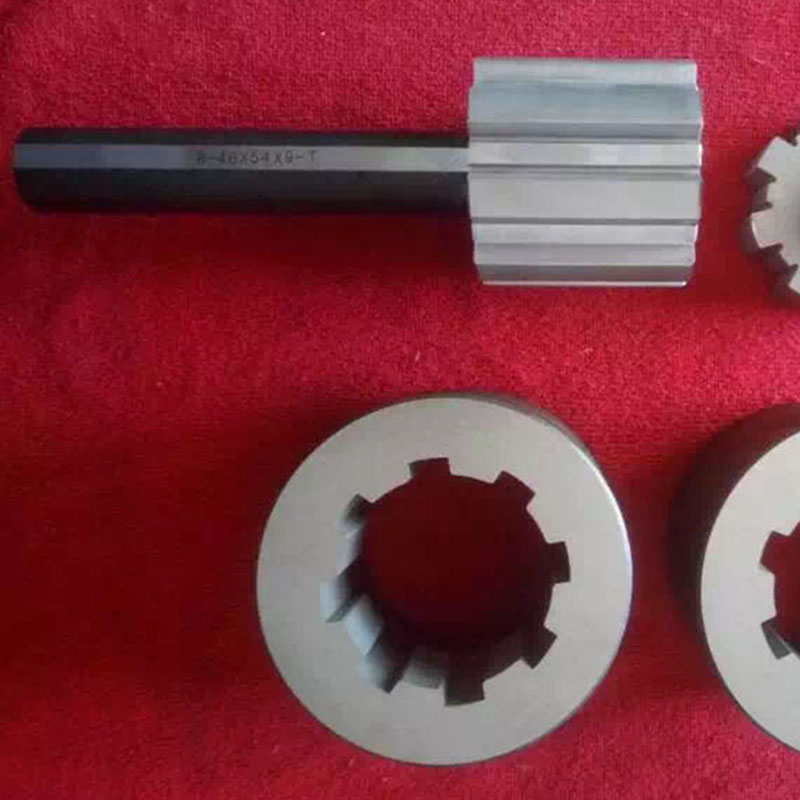
using a thread gauge
Using a Thread Gauge A Comprehensive Guide Threads are an essential component in countless mechanica
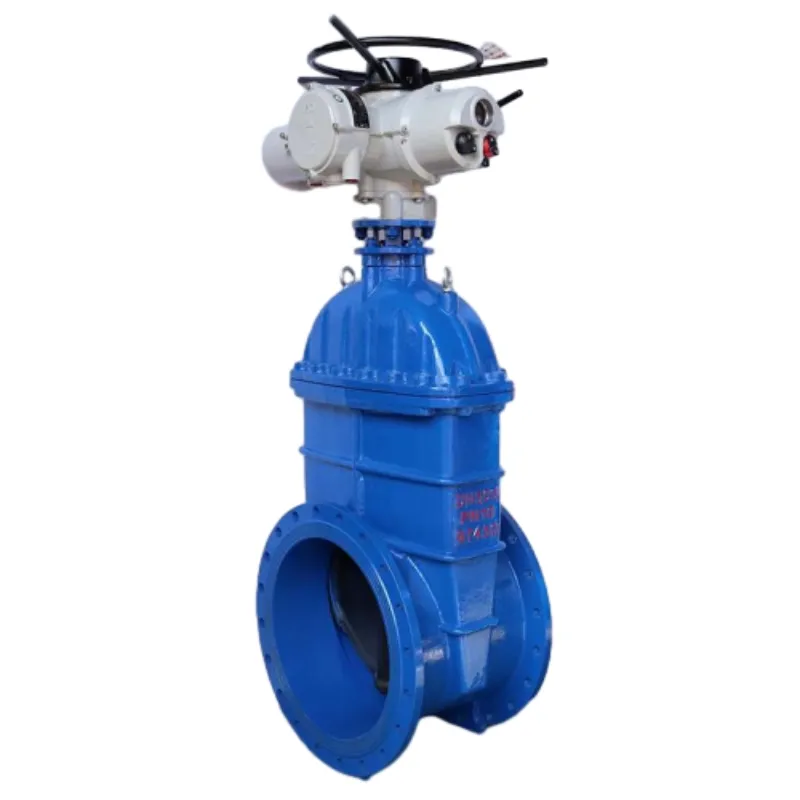
Valve Selection Guide_ Differences and Applications of Gate Valves and Globe Valves
When navigating the world of industrial valves, understanding the nuances between various types can
Water Hose Shutoff Valve for Efficient Water Control and Usage Management
The Importance of a Water Hose Shut-Off Valve When it comes to managing water flow in your garden or
 English